
The Bendemeer Renewable Energy Hub wind project will create a range of social and economic opportunities for the Bendemeer region and local surrounding areas, as well as creating environmental benefits for the New England region to build a sustainable future with renewable energy.
The proposed wind farm will generate an estimated capacity of 950 GWh/year of clean renewable energy, and reduce greenhouse gas emissions by 690,000 tonnes CO2, per year. For scale, the project will generate enough energy equivalent to powering 120,000 NSW homes!
There are approximately 51 turbines currently proposed for the wind farm. Each wind turbine will have an indicative height from ground to hub of 169m, and a height of 250m from ground to blade tip of the turbine. The project nameplate rating is 360 MW.
Please note that the proposed wind project is in the preliminary stages of planning. All information will be updated as the project progresses, and will based on outcomes of consultation with NSW DPE, future detailed environmental studies, wind data analysis, constructability reviews and ongoing neighbour and community consultation.
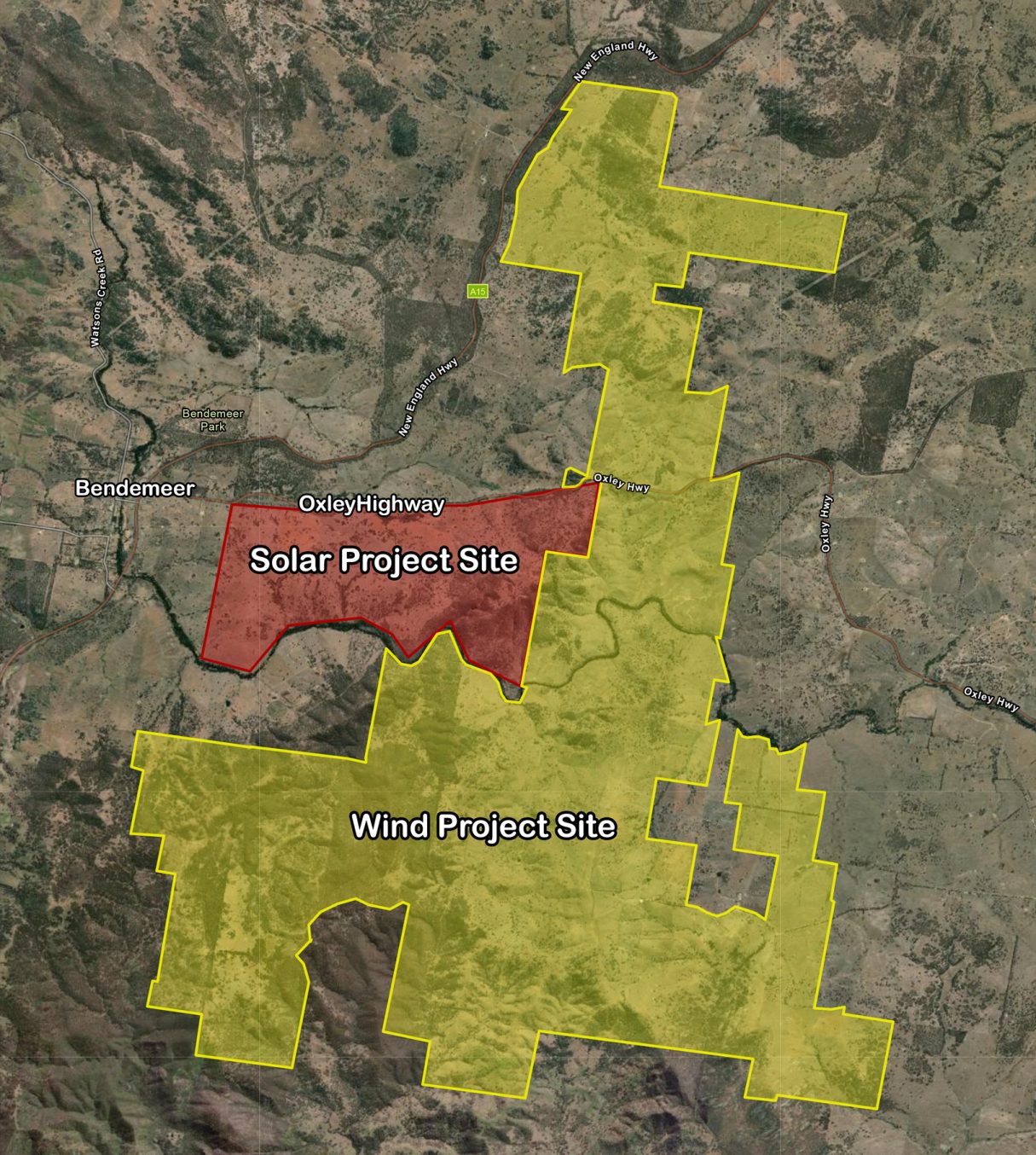
Map
Please note: The wind project layout is preliminary only and developed prior to the Project Scoping Report submission to NSW DPE. The turbine locations and quantities and the location of road and transmission infrastructure shall be revised during the EIS phase. This will be based on the outcomes of consultation with NSW DPE, future detailed environmental studies, wind data analysis, constructability reviews and ongoing neighbour and community consultation.
Facts
Noise

Decommissioning
Community Benefits
Wind Farm Project Site
Mitigation Strategies
FAQs
The Bendemeer Renewable Energy Hub team have created a space for Frequently Asked Questions about the wind project asked by the community to be answered all in one place. The FAQ page can also be found in the Wind Fact Book that has been developed for the solar project to give community members and residents a greater understanding of the project. These books will be updated as the projects progress.
An online copy of the fact book can be found here – Wind Fact Book
If you have any questions of queries regarding the wind project, please get in touch with the BREH team.
Q: Are renewable energy projects considered industrial development?
Q: Will existing land management practices including farming continue on the project site?
Q: What is the rating of the turbines considered for Bendemeer?
Q: Where will the wind turbines be located on the site? What will the visual impact be?
Q: Can wind turbines harm, injure, or kill birds from turbine strike? How will biodiversity impacts be assessed?
Q: How are noise impacts from the wind farm assessed?
Q: What are the impacts on soil and water quality?
Q: How high will the wind turbines be? Will they impact aircraft, in particular fighting bushfires?
Q: How will bushfire hazards be managed?
Q: What are the proposed transportation routes for equipment deliveries?
Q: What happens if project ownership is transferred or sold?
Q: Will the project impact the value of my property?
Q: Will the wind turbines be left to rust on the hills once operations cease or will they be decommissioned?
Q: Do wind turbines affect your physical and mental health?
Project Timeline
The timeline below indicates where the wind project is up to in the State Significant Development Application process, and will be updated as necessary as the project progresses.
You can also access information regarding the project on the NSW Government’s Major Projects Planning Portal.
Site Identification
Site Identification
Comprehensive analysis of wind and solar resources, environmental and engineering constraints, and proximity to electricity grid, services and infrastructure.
Commencement – 2019
Execution of Land Agreements – June 2022
Planning and Approvals
All State Significant developments are required to prepare a comprehensive Environmental Impact Statement to ensure the project achieves an appropriate balance between environmental, social and economic considerations and is in the public interest.
Scoping Report submitted – late 2024
SEARS Received – early 2025
EIS is currently being prepared.
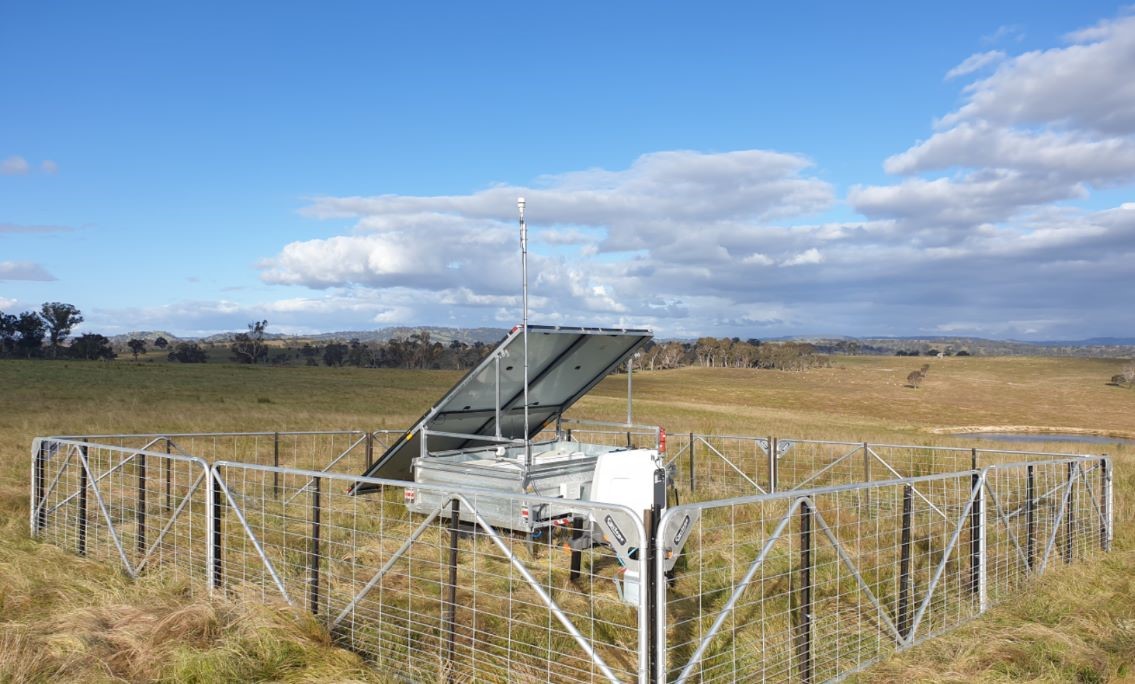
Wind Monitoring Campaign
Comprehensive site specific wind monitoring campaign installed and managed by specialised and experienced consultants.
LiDAR installed – December 2022
Met Mast installed – June 2023
Preliminary Campaign Completion – end of 2024
Project Process Updates
Scoping Report
Environmental Impact Statement (EIS)
State significant development applications (DA)